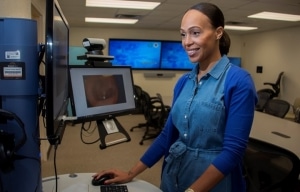


A look at the invaluable contributions nurses can make in healthcare by becoming an MD.

In the dynamic landscape of healthcare, the transition from a Registered Nurse (RN) to a Medical Doctor (MD) represents a distinctive and challenging journey that embodies a commitment to lifelong learning and an unwavering dedication to patient care. This article explores the unique trajectory of individuals who have traversed the path from nursing to medicine, shedding light on the valuable experiences nurses bring to the medical field and the impact of their diverse backgrounds on patient outcomes.
The decision to pursue an MD after establishing a foundation as an RN is a testament to the evolving roles within the healthcare profession. Nurses, with their hands-on experience in patient care and a deep understanding of the intricacies of healthcare delivery, bring a unique perspective to the realm of medical practice. This journey is not merely a career shift; it is a transformation that draws upon the strengths cultivated in nursing and integrates them into the broader context of medical education. From honed communication skills to a profound empathy for patients, the qualities ingrained in the nursing profession become powerful assets in the pursuit of a medical degree. These individuals not only bridge the gap between nursing and medicine but also contribute to a more comprehensive and patient-centered approach to healthcare.
This article explores the symbiotic relationship between nursing and medicine, highlighting the invaluable contributions of nurses who embark on the transformative path from RN to MD. Learn more about how to become a Registered Nurse.
Why Nurses Make Good Doctors
Nurses, with their extensive training and hands-on experience, embody a wealth of qualities and skills that seamlessly translate into success in the demanding field of medicine. The transition from being an RN to pursuing an MD is a natural evolution that capitalizes on these attributes, ultimately enhancing the overall quality of patient care.
Thriving in High-Pressure Situations: Nursing is a profession that often operates on the front lines of healthcare, requiring individuals to navigate high-pressure situations with composure and precision. This ability to think on one’s feet and make critical decisions under stress is a hallmark of nursing practice and proves invaluable in the fast-paced environment of medical practice.
Mastering the Art of Multitasking: In the intricate web of patient care, multitasking is an essential skill, and nurses are adept at balancing numerous responsibilities simultaneously. This skill is particularly advantageous in medical practice, where doctors often juggle diverse patient cases, administrative duties, and continuous learning.
Maintaining Composure and Emotional Resilience: The emotional toll of patient care is a shared experience in nursing and medicine. Nurses, through years of tending to patients with diverse health conditions, develop emotional resilience and the ability to maintain composure in emotionally charged situations. This emotional intelligence proves crucial when delivering difficult news, handling distraught family members, or managing the emotional aspects of medical practice.
Patient-Centered Approach: Nurses possess an intimate understanding of the patient experience, emphasizing holistic care and focusing not only on the ailment but also on the overall well-being of the individual. This patient-centered approach aligns seamlessly with the evolving paradigm of medicine, where a comprehensive understanding of the patient is paramount to delivering effective and personalized healthcare.
Empathy and Effective Communication: Empathy is a cornerstone of nursing, and the ability to connect with patients on a human level is a skill that resonates well in medical practice. Effective communication, another vital attribute cultivated in nursing, is essential for building trust with patients, collaborating with colleagues, and ensuring seamless healthcare delivery.
Interdisciplinary Collaboration: Nursing operates at the intersection of various healthcare disciplines, and nurses are accustomed to collaborating with diverse professionals to provide comprehensive care. This interdisciplinary nature positions nurses as effective team players in the medical field, where collaboration among specialists, nurses, and other healthcare professionals is critical for optimal patient outcomes.

How to Become a Doctor as a Nurse
Here’s a step-by-step guide for nurses interested in pursuing a medical career:
- Self-Assessment and Research: Consider how your nursing experience aligns with the goals of becoming a physician. Explore various medical specialties to determine which aligns best with your interests and career aspirations.
- Educational Requirements: Research the specific requirements for medical school admission, including prerequisite courses, GPA, and standardized test scores. Evaluate your nursing education to identify any prerequisite courses you may have already completed.
- Gain Clinical Experience: Highlight relevant clinical experiences from your nursing career in your application. Emphasize patient interaction, medical exposure, and any specialized areas of nursing.
- Academic Preparation: If needed, enroll in post-baccalaureate programs or additional coursework to fulfill these requirements. Understand the Medical College Admission Test (MCAT) requirements and create a study plan.
- Build a Strong Application: Update your resume to include relevant nursing experiences, education, and any additional coursework, write a compelling personal statement that articulates your journey from nursing to medicine, and secure strong letters of recommendation from individuals who can speak to your academic abilities and commitment.
- Application Process: Familiarize yourself with the application services, such as the American Medical College Application Service (AMCAS) in the United States. Follow the application guidelines and submit all required materials.
- Financial Planning: Explore financial aid options for medical school. Look into scholarships, grants, and loans to support your academic journey. Develop a budget to manage expenses during the application process and potential transition to medical school.
- Time Management: Develop a realistic study schedule that balances work, family, and academic commitments. Communicate with your employer, family, and friends about your decision. Seek support to manage the challenges of balancing multiple responsibilities.
- Prepare for Interviews: Prepare for medical school interviews by practicing common interview questions. Consider participating in mock interviews to enhance your communication skills.
- Stay Informed and Stay Resilient: Keep yourself informed about changes in medical school admissions, requirements, and application processes. Understand that the transition from nursing to medicine may present challenges. Embrace resilience, stay focused on your goals, and adapt as needed.
Pathways to becoming an MD
Registered Nurses interested in becoming Medical Doctors can pursue several pathways to achieve their goal. It’s important to note that the specific requirements and pathways may vary based on individual circumstances, educational backgrounds, and regional regulations. Here are common pathways for RNs aspiring to become MDs:
Traditional Medical School Pathway
- RNs typically hold a nursing degree, which may be an Associate’s or Bachelor’s degree. To pursue medical school, a Bachelor’s degree in a science-related field is often required or strongly recommended.
- Medical schools have specific prerequisite courses, including biology, chemistry, physics, and mathematics. RNs may need to complete any missing prerequisites.
- Passing the MCAT is a standard requirement for medical school admission. RNs should prepare for and take the MCAT to demonstrate their readiness for medical education.
- RNs can apply to medical schools in the United States through centralized application services like AMCAS.
Post-Baccalaureate Programs
- Some universities offer post-baccalaureate programs designed for individuals with a non-science undergraduate degree, including those with a nursing background. These programs help students complete necessary science coursework and prepare for the MCAT.
- Some medical schools offer special admission tracks or programs for career changers, including RNs similar to MEPN programs for those switching careers into nursing. These programs recognize the unique skills and experiences of individuals transitioning to medicine.

Accelerated Bachelor’s to MD Programs
- Certain medical schools offer accelerated programs that allow individuals to earn both a Bachelor’s degree and a medical degree in a shortened timeframe. These programs often require a strong academic record and may be suitable for RNs with a non-science undergraduate degree.
Bridge Programs
- Some medical schools may offer specific pathways for RNs, allowing them to bridge their nursing education to a Bachelor of Science in Nursing program (BSN) and then proceed to medical school. These programs recognize the clinical experience and knowledge acquired during nursing practice.
Direct Entry or Second-Degree MD Programs
- In some countries or regions, there are medical schools that accept individuals with non-traditional backgrounds directly into MD programs. These programs are designed for individuals who already possess a Bachelor’s degree, regardless of the field.
Seek guidance from academic advisors, career counselors, and mentors who can provide insights into the specific requirements and pathways available for RNs pursuing a medical career. Be sure to highlight the clinical experience gained as an RN in your application. Admissions committees often value hands-on patient care experience, and this can set RNs apart from other applicants.
Research and requirements
RNs considering the transition to medical school should carefully research and tailor their approach based on their individual circumstances, educational backgrounds, and the requirements of the medical schools they aspire to attend. Additionally, staying informed about changes in admission criteria and seeking support from mentors can enhance the likelihood of a successful transition from nursing to medicine.
Understanding the specific prerequisites, academic criteria, and standardized testing expectations ensures that aspiring medical students are well-prepared to meet the rigorous demands of medical school admission. Comprehensive research also aids in tailoring academic and professional experiences to align with the preferences and values of prospective medical institutions. Additionally, gaining insights into the unique aspects of each medical school’s application process enables candidates to strategically present their nursing backgrounds and experiences, emphasizing the qualities that make them exceptional candidates for medical education.
Essential academic steps to pursuing an MD degree
To successfully transition from being a Registered Nurse (RN) to pursuing a Medical Doctor (MD) degree, there are essential academic steps that individuals need to undertake:
1. Evaluate Prerequisite Courses: Identify the specific prerequisite courses required by medical schools. Common prerequisites include biology, chemistry, physics, organic chemistry, and mathematics. Evaluate your existing academic background to determine if any of these courses need to be completed.

2. Complete Prerequisite Courses: Enroll in and successfully complete any missing prerequisite courses. This may involve taking additional undergraduate courses, participating in post-baccalaureate programs, or utilizing other educational pathways to fulfill the necessary academic requirements.
3. Prepare for the MCAT: Familiarize yourself with the content and format of the Medical College Admission Test (MCAT). Develop a comprehensive study plan that covers all sections of the exam, including biological and biochemical foundations, chemical and physical foundations, psychological, social, and biological foundations, and critical analysis and reasoning skills.
4. Utilize MCAT Resources: Access MCAT review materials such as prep books, practice exams, and online resources. Consider enrolling in MCAT preparation courses if additional support is needed. Regularly practice with timed exams to build endurance and assess progress.
5. Focus on Academic Excellence: Maintain a strong academic record in all coursework, not just the prerequisites. Admissions committees consider overall GPA and performance in challenging courses. Strive for excellence to demonstrate your preparedness for the academic rigor of medical school.
6. Seek Academic Advising: Consult with academic advisors or pre-medical advisors to ensure that your academic plan aligns with your career goals. They can provide guidance on course selection, academic timelines, and strategies for success.
7. Engage in Clinical Experiences: Continue gaining clinical experience, drawing on your nursing background. This hands-on experience not only reinforces your commitment to patient care but also strengthens your medical school application.
8. Stay Informed: Stay updated on any changes to medical school admission requirements and the MCAT. Regularly check the official websites of medical schools you are interested in for the most accurate and current information.
Time management and strategic planning
Balancing work, family, and academic commitments during the transition from being a Registered Nurse to pursuing a Medical Doctor degree requires effective time management and strategic planning. Here are some practical pieces of advice:
- Create a Detailed Schedule: Develop a detailed schedule that includes dedicated time blocks for work, family, and academic commitments. Clearly outline study periods, clinical hours, and personal time to maintain a sense of structure and organization.
- Prioritize Tasks: Identify and prioritize tasks based on urgency and importance. Focus on high-priority items first, ensuring that essential responsibilities are addressed promptly while minimizing stress and last-minute rushes.
- Set Realistic Goals: Establish realistic and achievable academic goals. Break down larger tasks into smaller, more manageable steps. This approach helps prevent feeling overwhelmed and allows for a steady progression toward your academic objectives.
- Communicate Openly: Communicate openly with your employer, family, and support network about your educational pursuits. Establish clear expectations regarding your schedule, commitments, and the potential need for flexibility during peak academic periods.
- Delegate Responsibilities: Delegate tasks whenever possible. Share responsibilities with family members, if applicable, and seek support from friends or colleagues. Delegating can help distribute the workload and create a more sustainable balance.
- Utilize Time Efficiently: Identify pockets of time that can be used efficiently for academic activities. This might include utilizing breaks at work for focused study sessions, incorporating family time into study breaks, or using commute time for listening to educational podcasts or reviewing study materials.
- Embrace Flexibility: Recognize that flexibility is crucial during this transitional period. Be adaptable to unforeseen changes in your schedule and adjust your plans accordingly. A flexible mindset can help manage unexpected demands without causing unnecessary stress.

- Take Care of Your Well-Being: Prioritize self-care and maintain a healthy work-life balance. Ensure that you allocate time for rest, exercise, and relaxation. Taking care of your physical and mental well-being is essential for sustaining productivity and managing stress.
- Incorporate Family Time: Integrate dedicated family time into your schedule. This not only strengthens your support system but also ensures that your family feels valued during the transition. Clear communication about study periods can help set expectations.
- Seek Academic Support: Explore available academic support services, including tutoring, study groups, and mentorship programs. These resources can provide additional assistance and streamline your learning process.
- Celebrate Achievements: Acknowledge and celebrate small milestones and achievements along the way. Recognizing progress, no matter how incremental, helps maintain motivation and fosters a positive mindset during the demanding transition.
Remember that achieving balance is an ongoing process, and adjustments may be necessary as circumstances evolve. By employing these practical strategies, you can navigate the challenges of balancing work, family, and academic commitments, ensuring a smoother transition into medical education.
Tips for Navigating the Application Process
Steps for the medical school application process
Let
Share this entry.
While this blog may occasionally contain information that relates to Unitek College's programs or courses, the majority of information provided within this blog is for general informational purposes only and is not intended to represent the specific details of any educational offerings or opinions of Unitek College. *Please note that wage data provided by the Bureau of Labor Statistics (BLS) or other third-party sources may not be an accurate reflection of all areas of the country, may not account for the employees' years of experience, and may not reflect the wages or outlook of entry-level employees, such as graduates of our program. (accessed on 09/21/2026)